2/17/26
Rep Report
The Nepean Rep Report – Building Back Bitter
A graceful goodbye
Despite a rising ‘anti-woke’ tide in recent years, mental health remains one of the few issues that still cuts across political tribes: left and right, woke and un-woke. Sections of the alt-right simultaneously parade male suicide statistics as a rebuke to ‘woke’ feminism, while deriding so-called ‘snowflakes’ for anxiety-fuelled sick leave and workplace accommodations.
Against that backdrop, it was striking to see the Conservative Party’s official statement following Suella Braverman’s defection to Reform make pointed reference to her mental health – a notably sour note in an already acrimonious split. If that felt misjudged, as its later retraction suggests, ITV’s Ant and Dec managed to go one step further: promoting their new podcast – ‘Hanging Out’ – with imagery of a dangling pair of legs. A move that drew heavy and immediate criticism from mental health advocates and unaffiliated onlookers alike.
Mental health gags remain reputational suicide. Best to avoid.
Building brand Brooklyn
Much of the world was hooked when, in the spirit of New Year’s truths, Brooklyn Beckham detonated Brand Beckham via a series of Instagram stories, speaking out against the 'countless lies in the media'.
In terms of dissemination, Brooklyn hit the jackpot. Instagram’s temporary 'stories' became permanent through AI-generated memes: Posh recast as the headline act during Brooklyn and Nicola’s first dance.
Bar comments from Sir David at Davos that 'children make mistakes' (Brooklyn turns 27 next month), it has otherwise been near silence from the family.
Brooklyn claims his family values 'public promotion and endorsements above all else'. In finding his voice, he has ruptured the construct his parents so meticulously built through their commodification of family life. Online, fans have been quick to share their own stories of family feuds in a despondent, collective catharsis.
So, what next? Is this the rise of a spin off – Brand Brooklyn – or, as some suggest, a shift towards Brand Peltz, under Nicola’s supervision. Either way, for businesses and individuals alike, it’s a case study in what happens when older, more traditional brands clash with their modern, tech-savvy counterparts – and the power of a little bit of outrage and uproar.
The Great Wall of Wallace
If you can't take the heat, get out of the kitchen.
Gregg Wallace has taken this message rather literally: retreating from corners of the public eye and putting up paywalls where the comments of 'middle class women of a certain age' can't reach him.
For just £11.99 a month, you too can subscribe to 'Gregg Wallace Health' and access recipes, fitness tools and 'a supportive network where members can share their goals, achievements, and challenges'. But buyer beware, no refunds allowed.
Diversifying income streams is good business, not least for ex-MasterChef presenters with 45 allegations (upheld by an independent review) weighing on their resume. After initially pursuing £10,000 from the BBC for 'distress and harassment' related to his dismissal, Wallace has begun charging fans £40 for personalised videos – including Valentine’s messages and birthday greetings.
It’s a concerted effort at brand-building, fostering a community of committed fans willing to pay their way. Wallace has created a carefully controlled space in which he is somewhat shielded from an ongoing reputational crisis. But this begs a broader question: can accountability reach beyond a paywall?
Arson at the Ashes
November 21, 2025: England cricket fans had their 02.00 am alarms set and TNT Sports at the ready.
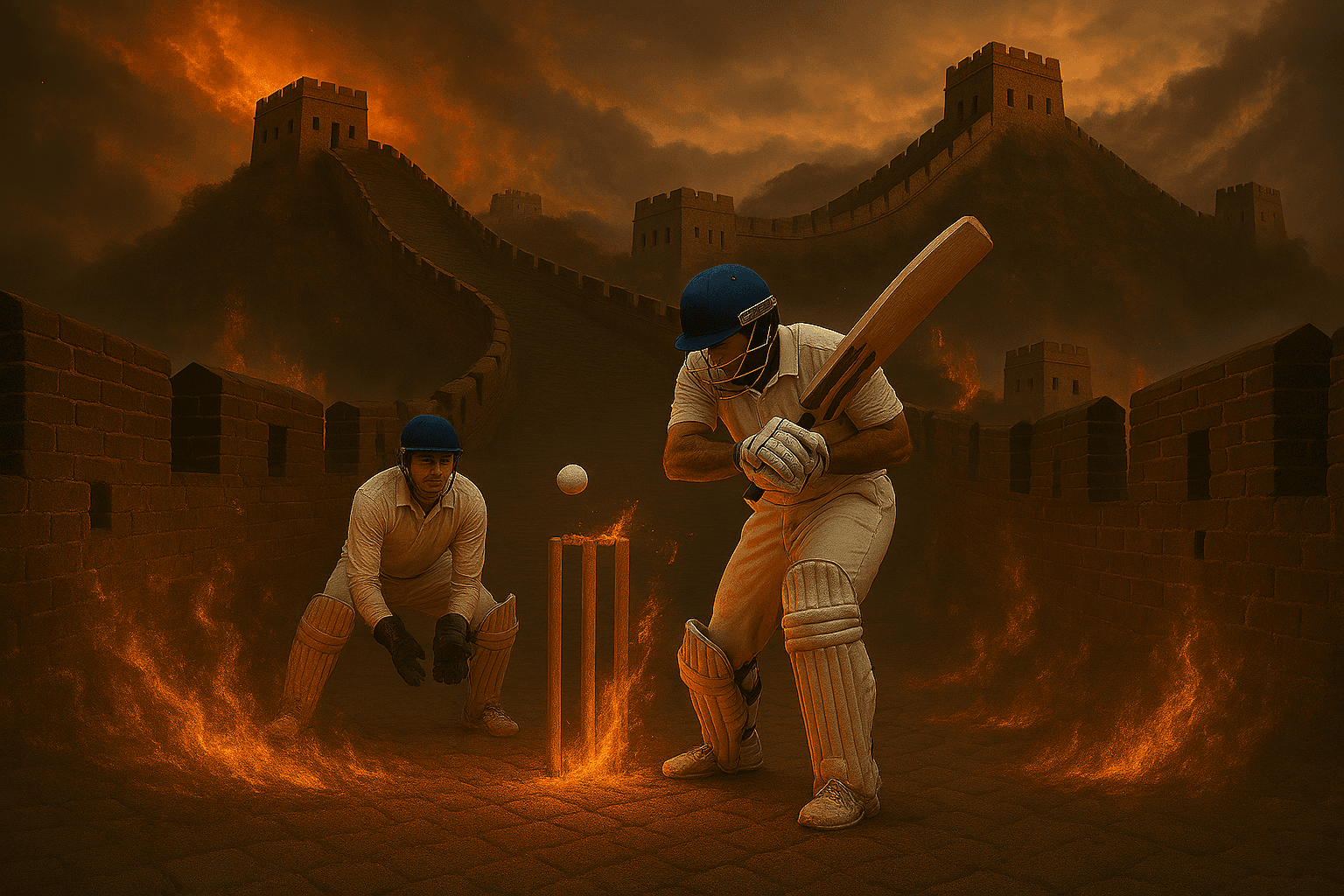
Overlooking, for a second, the poor England performance that followed, even a disinterested spectator could pick up on the unnecessary fires the team seemed determined to set for themselves. Mid-tour, it was revealed that Harry Brook had been punched by a nightclub bouncer in New Zealand. Then, during the Ashes itself, the team took to another drinking session to ‘clear their heads’. Paired with Brendan McCullum’s claims that the team’s ‘over-preparedness’ might have contributed to the defeats, it became a clear lesson in narrative self-sabotage.
It was a series that didn’t struggle for villains. Not just ‘snicko’, but TNT Sports as well. A broadcast that was out of sync, a commentary bench of non-cricketing ‘experts’, and all for the not-so-low price of £32.99 per month.
Fail to prepare; prepare to fail. A lesson there not just for the England team but for TNT, too. The Ashes is supposed a big deal, so why was it defined by such disarray?